
GLP-1 medications have changed the conversation around weight loss, blood sugar regulation, appetite control, and metabolic health. For many people, these medications finally quiet the constant food noise and help them lose weight after years of frustration.
But here is the question nobody is asking enough:
What happens while you are losing weight?
And even more importantly…
What happens when you stop the medication?
That is where functional medicine becomes incredibly important.
At Cherry Blossom Natural Wellness, the goal is not simply to help someone lose weight quickly. The goal is to help the body function better long-term so that metabolism, energy, digestion, hormones, inflammation, and muscle health are supported throughout the process.
Because successful weight loss is not just about eating less.
It is about what is happening inside the body while the weight is coming off.
GLP-1 Medications Are Powerful Tools, But They Are Not Magic
GLP-1 medications can help regulate blood sugar, slow gastric emptying, and reduce appetite. Many patients notice dramatic changes in cravings and portion sizes almost immediately.
But those same mechanisms can also create unintended problems if the body is not supported correctly.
Common complaints include:
- Constipation
- Nausea
- Fatigue
- Muscle loss
- Low energy
- Nutrient deficiencies
- Bloating
- Hair thinning
- Weakness
- Difficulty eating enough protein
- Loss of healthy digestion patterns
This is why a personalized approach matters.
Two people can be on the same GLP-1 medication and have completely different experiences.
One person may tolerate fiber beautifully.
Another person may become miserable from bloating and fullness.
One person may improve constipation with magnesium.
Another may need hydration support, digestive support, mineral balancing, dietary adjustments, or additional gut support.
One person may lose mostly fat.
Another may lose significant muscle mass along with weight.
Functional medicine looks deeper at WHY those differences exist.

Not Every “GLP-1 Support” Product Is Legitimate
Right now, the internet is flooded with products claiming to “fix” GLP-1 side effects.
Powders.
Gummies.
Fiber blends.
Detox teas.
Miracle supplements.
Social media hacks.
The problem is that many of these products are poorly formulated, overhyped, or simply not appropriate for every individual.
More “natural” does not automatically mean safer.
More expensive does not automatically mean better.
Functional medicine takes an investigative approach.
Instead of blindly throwing supplements at symptoms, the goal is to understand:
- What nutrient deficiencies may already exist
- How digestion is functioning
- Whether the muscle is being preserved
- How is blood sugar regulation responding
- Whether inflammation is contributing to symptoms
- How stress hormones and sleep are impacting metabolism
- What the gut actually needs
Because sometimes the solution is not another trendy supplement.
Sometimes the body simply needs better nourishment.
The “How” of Eating on a GLP-1 Matters More Than Most People Realize
Many people unintentionally under-eat while taking GLP-1 medications because appetite suppression becomes so strong.
Unfortunately, this can create a new set of metabolic problems.
The body still needs nutrients even when hunger decreases.
Healthy whole foods should be consumed at regular intervals to compensate for the suppressed appetite and ensure optimal nutrient delivery to the body.
General guidelines often include:
- Consuming 3 meals per day
- Avoiding constant snacking
- Avoiding prolonged fasting while the appetite is already suppressed
This surprises many people because fasting has become trendy in the wellness space.
But when someone is barely eating already, additional restrictions may worsen fatigue, muscle loss, hormonal stress, nutrient depletion, and metabolic slowdown.
Functional medicine evaluates the bigger picture instead of following one-size-fits-all trends.
The “What” of Eating Matters Too
The quality of food becomes even more important during GLP-1 therapy.
The recommended macronutrient profile for many patients on GLP-1 agonists includes moderate protein, moderate healthy fats, and carefully tolerated fiber.
Why?
Because preserving muscle mass is critical.
Muscle is a metabolically active tissue. Losing muscle during rapid weight loss can contribute to long-term metabolic challenges and increase the likelihood of regaining weight later.
This is one of the biggest reasons many people struggle after stopping GLP-1 medications.
They lost weight…
But they also lost metabolic support.
Naturopathic medicine focuses heavily on preserving lean body mass while supporting sustainable fat loss.
That often includes:
- Prioritizing clean protein
- Supporting digestion and absorption
- Choosing nutrient-dense whole foods
- Monitoring energy levels
- Supporting hydration and minerals
- Adjusting fiber intake based on tolerance
- Avoiding ultra-processed foods and empty calories
Some people tolerate fiber extremely well.
Others feel overly full, bloated, or uncomfortable with too much fiber while on a GLP-1.
Again, personalization matters.

Why Some People Gain the Weight Back After GLP-1s
This is one of the biggest fears people have.
And honestly, it is a valid concern.
Many individuals stop the medication only to discover:
- Hunger returns aggressively
- Cravings increase
- Energy crashes
- Old habits return
- Weight starts creeping back up
This happens because the medication may suppress appetite, but it does not automatically repair the underlying drivers of metabolic dysfunction.
Functional medicine investigates the root causes that may have contributed to weight struggles in the first place, including:
- Blood sugar instability
- Chronic inflammation
- Hormonal imbalances
- Poor sleep
- High cortisol
- Gut dysfunction
- Insulin resistance
- Nutrient deficiencies
- Stress patterns
- Inflammatory food triggers
- Muscle loss
- Sedentary lifestyle patterns
If those issues are never addressed, the body may continue fighting against long-term weight stability.
That is why functional medicine can be such an important partner during GLP-1 treatment.
The Goal Should Not Always Be “Forever”
Some people may require long-term GLP-1 support. Others may not.
But many patients want to know:
“Can I eventually maintain this without the medication?”
Functional medicine helps create the foundation for that possibility.
The focus becomes:
- Building sustainable eating habits
- Improving metabolic flexibility
- Supporting healthy blood sugar regulation
- Preserving muscle mass
- Improving mitochondrial health and energy production
- Supporting gut health
- Reducing inflammation
- Helping the body function more efficiently overall
Instead of relying solely on appetite suppression, the body is supported at a deeper level.
That does not mean perfection.
It means strategy.

Gut Health and GLP-1 Medications
One area that gets overlooked constantly is digestive health.
GLP-1 medications intentionally slow digestion.
While this helps with fullness and appetite control, it can also contribute to:
- Constipation
- Bloating
- Nausea
- Reflux
- Discomfort
- Changes in bowel habits
Some people do well with magnesium.
Others may need different forms of support entirely.
For some patients, the issue may involve hydration and electrolytes.
For others, inadequate food intake may be contributing.
Some may need digestive support or individualized nutrition strategies.
There is no universal protocol that works for everyone.
Functional medicine recognizes that symptoms are clues, not inconveniences to silence.

Supporting Muscle While Losing Weight
One of the most concerning trends being seen with GLP-1 medications is muscle loss.
Many people celebrate the number on the scale dropping without realizing they may also be losing lean tissue.
This matters tremendously.
Muscle helps support:
- Healthy metabolism
- Blood sugar regulation
- Strength and mobility
- Hormonal health
- Long-term weight maintenance
- Healthy aging
Preserving muscle requires intentional nutrition and lifestyle support.
That is why protein-forward nutrition is often emphasized during GLP-1 therapy.
Some individuals may also benefit from targeted nutritional support products.
For example, MetabolicBiome Fuel is a comprehensive GI support formula designed to include hydrolyzed collagen protein, fat, fiber, and polyphenols in clinically relevant amounts that may remain tolerable for individuals using GLP-1 agonists.
The goal is to support both gut health and muscle preservation simultaneously.

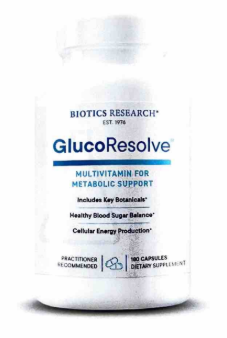
Another product often discussed is GlucoResolve, which contains nutrients and compounds intended to support healthy blood sugar balance, metabolism, antioxidant activity, and energy production.
However, it is important to remember:
Not every product is appropriate for every person.
And supplements should never replace individualized medical guidance.
I trust these products, and you get them through my online store at: https://us.fullscript.com/welcome/jmackowiak)
Functional Medicine Is About Personalization
This is where the functional medicine model stands apart.
Instead of asking:
“What is the standard recommendation?”
The question becomes:
“What does THIS body need right now?”
That investigative approach matters because no two patients are identical.
Different people may require different approaches for:
- Constipation support
- Protein intake
- Fiber tolerance
- Nutrient replacement
- Blood sugar support
- Energy production
- Gut balance
- Hormonal balance
- Inflammation reduction
The body is always giving clues.
Functional medicine helps connect those clues.
Sustainable Wellness Requires More Than Weight Loss
The real win is not simply losing weight quickly.
The real win is:
- Feeling better
- Having stable energy
- Preserving strength
- Supporting metabolic health
- Improving lab markers
- Reducing inflammation
- Creating sustainable habits
- Supporting long-term wellness
Because rapid weight loss without metabolic support can sometimes create new problems instead of solving old ones.
That is why many people benefit from working with a functional medicine practitioner while using GLP-1 medications.
The medication may help open the door.
But long-term success often depends on what happens next.
If you are on a GLP-1 and struggling with side effects, confusion, conflicting advice, or concerns about long-term success, personalized support may help you navigate the process more safely and effectively.
At Cherry Blossom Natural Wellness, Dr. Mack takes an investigative approach to understanding the deeper metabolic picture so patients can support their health beyond the number on the scale.
Not sure if holistic medicine is right for you? Schedule a FREE 15-minute discovery call to see if it is a good fit. Call 248-274-6516.
FAQs
Can functional medicine help reduce GLP-1 side effects naturally?
Functional medicine may help identify factors contributing to common GLP-1 side effects such as constipation, fatigue, nausea, bloating, and low energy. Instead of relying on generic recommendations, the approach focuses on personalized nutrition, hydration, gut health, mineral balance, and metabolic support. Keywords: GLP1 side effects, functional medicine, constipation
Why do some people gain weight back after stopping GLP-1 medications?
Weight regain may happen when the underlying drivers of metabolic dysfunction were never fully addressed. Functional medicine investigates issues such as insulin resistance, inflammation, hormone imbalance, stress, poor sleep, muscle loss, and gut dysfunction that may contribute to long-term weight struggles. Keywords: metabolic health, blood sugar balance, weight regain
What foods should you prioritize while taking a GLP-1?
Many patients benefit from prioritizing clean protein, healthy fats, nutrient-dense whole foods, and carefully tolerated fiber. Protein is especially important for preserving muscle mass during weight loss. Functional medicine personalizes nutrition recommendations based on digestion, energy, blood sugar, and symptom patterns. Keywords: protein forward, GLP1 nutrition, muscle preservation
Are GLP-1 support supplements safe?
Not all supplements marketed for GLP-1 support are high quality or appropriate for every individual. Functional medicine practitioners often help patients evaluate product quality, ingredient safety, and whether a supplement actually fits their unique needs. Keywords: GLP1 support supplements, holistic health, gut health
Can functional medicine help you eventually stop a GLP-1 medication?
For some individuals, functional medicine may help build healthier metabolic foundations that support long-term success beyond the medication itself. This can include improving nutrition, preserving muscle, balancing blood sugar, supporting gut health, reducing inflammation, and creating sustainable lifestyle habits. Keywords: functional medicine doctor, metabolic flexibility, sustainable wellness


 Dr. Janelle Mackowiak(http://cherryblossomnaturalwellness.com)