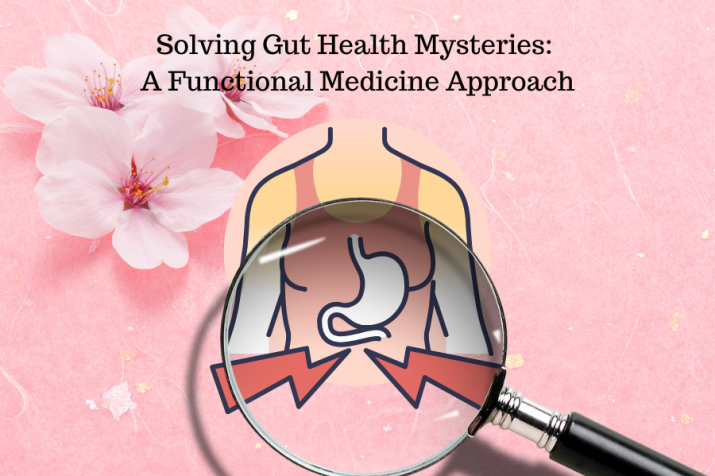
Histamine intolerance is one of those health puzzles that can make a person feel like their body is playing tricks on them.
One day, you eat tomatoes and feel fine. Two days later, that same tomato sauce leaves you flushed, itchy, bloated, foggy, and wide awake at 2 a.m. You start wondering: Is it an allergy? Is it hormones? Is it stress? Is it my gut? Is it all in my head?
I see this kind of pattern often. The symptoms move around. The triggers change. The clues do not always line up in a neat row. That is exactly why histamine intolerance can be so confusing.
Histamine itself is not bad. Your body makes it for a reason. It helps with immune defense, stomach acid, brain signaling, and allergic responses. The trouble starts when histamine builds up faster than your body can clear it.
Think of histamine like water filling a sink. A little water is useful. Too much water, with a slow drain, becomes a mess. In the body, that “slow drain” may involve gut irritation, low enzyme activity, nutrient gaps, hormone shifts, stress chemistry, certain foods, alcohol, medications, or immune triggers.
That is why histamine intolerance symptoms can seem random. The question is not always, “What food caused this?” Sometimes the better question is, “Why was my histamine bucket already full?”
Why Histamine Symptoms Confuse People
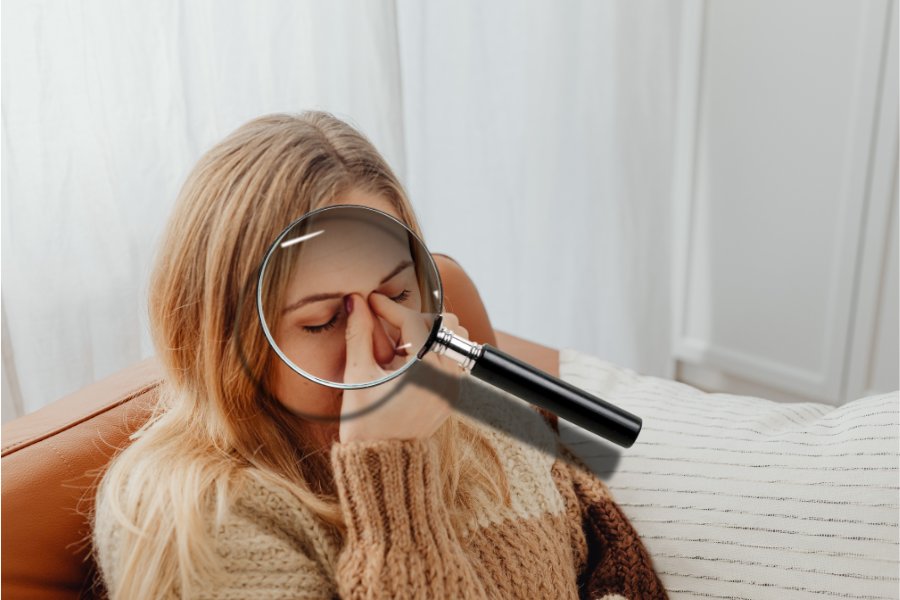
Histamine reactions often look like several different problems at once.
A person may have:
- Sinus pressure
- Headaches
- Skin flushing
- Bloating
- Loose stools
- Racing heart
- Anxiety
- Fatigue
- Insomnia
- Food reactions
That does not point to one obvious category. It can look like allergies, gut trouble, panic attacks, hormone swings, migraines, or mystery inflammation.
This is why people often bounce from one explanation to another.
They may try allergy testing and be told everything looks normal. They may remove gluten and dairy but still react. They may take antihistamines and feel partial relief, but the pattern returns. They may eat “healthy” fermented foods, bone broth, spinach, avocado, tuna, vinegar, or kombucha and feel worse.
That last part is one of the biggest clues.
Many high-histamine foods are considered healthy foods. So when someone says, “I cleaned up my diet and got worse,” my detective brain starts paying attention.
Histamine intolerance is not always about junk food. Sometimes it is about timing, quantity, gut status, and how well the body is clearing histamine that day.
Common Signs Mistaken for Allergies
Histamine can create allergy-like symptoms, but histamine intolerance is not the same thing as a true IgE allergy.
A classic allergy may cause a fast immune reaction to a specific trigger. Histamine intolerance can be more dose-based. That means you might tolerate a little of something, but not a lot. You might tolerate it on a calm week, but not during stress, poor sleep, hormone shifts, or gut flare-ups.
Common histamine intolerance symptoms may include:
- Flushing or feeling hot after meals
- Itchy skin or hives
- Nasal congestion or postnasal drip
- Headaches or migraines
- Bloating, cramping, or loose stools
- Heart racing or palpitations
- Anxiety that seems to come out of nowhere
- Poor sleep, especially waking in the night
- Menstrual cycle flares
- Brain fog
- Fatigue after eating
- Food reaction mystery symptoms
The key pattern is fluctuation. Symptoms may not happen every time. They may appear in clusters. They may stack over a few days.
That stacking effect matters.
A person might have wine on Friday, leftovers on Saturday, smoked meat on Sunday, then wake up Monday itchy, puffy, congested, and exhausted. The Monday symptoms may not be from one food. They may be from the total histamine load.
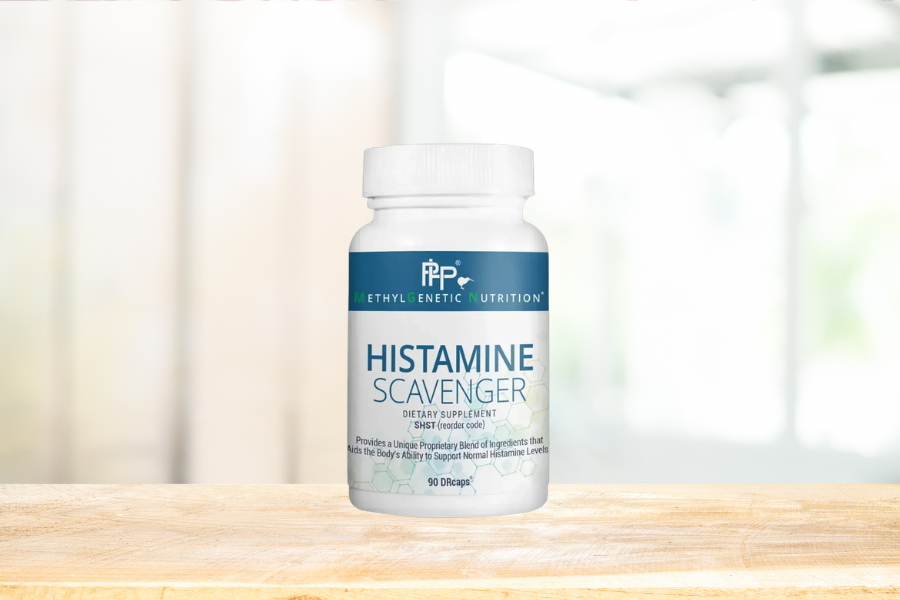
Histamine Scavenger
Histamine Scavenger is a unique formulation used to help the body clear itself of excess histamine. Histamine is a compound which is released by cells in response to injury and in allergic and inflammatory reactions, causing contraction of smooth muscle and dilation of capillaries. Histamine can be generated from acute or chronic inflammation and has many unpleasant downstream effects on the body. Gut dysbiosis can also generate histamine that further impairs digestion. This product is designed to help scavenge excess histamine in the body and pairs well with APB1 Assist (HISTA/GUT) for complete histamine metabolism, as well as Histamine Balancer Liquescence for proper desensitization.*
I trust this product and you can get it through my online store. CLICK HERE.
The Gut Connection
The gut is one of the main places functional medicine focuses on when histamine is suspected.
Your digestive tract is not just a food tube. It is an immune surveillance center. A huge amount of immune activity happens there. When the gut lining is irritated, the immune system can become more reactive. That may lead to more histamine release.
Several gut patterns can be connected with histamine issues:
- Imbalanced gut bacteria
- Small intestinal bacterial overgrowth
- Intestinal irritation
- Poor protein digestion
- Low stomach acid patterns
- Frequent loose stools or constipation
- Food sensitivity patterns
- Mold or toxin exposure history
- Repeated antibiotic use
- High stress affecting digestion
Some bacteria can produce histamine. Others help keep the gut environment calmer. When the balance shifts, symptoms may rise.
This is why holistic histamine support often starts with the gut. Not by blaming every symptom on digestion, but by asking better questions.
What changed before the symptoms started?
Did this begin after food poisoning?
Did antibiotics come before the flare?
Are leftovers worse than freshly cooked foods?
Do fermented foods aggravate symptoms?
Does stress worsen digestion and histamine symptoms?
Does the menstrual cycle change the reaction pattern?
Those details can turn a confusing case into a trail of clues.
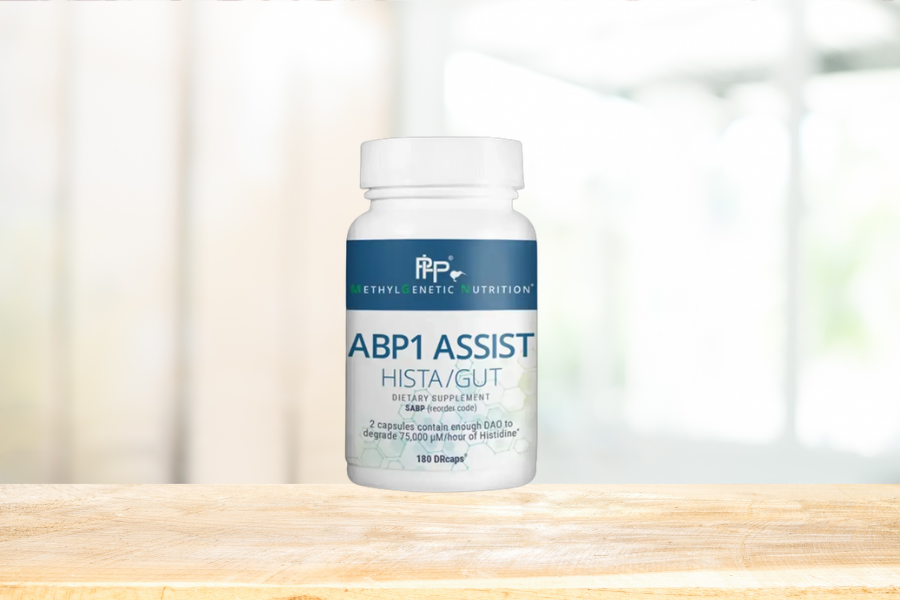
ABP1 Assist
ABP1 Assist provides diamine oxidase (DAO), a digestive enzyme that helps break down histamine in the gut. It also contains vitamin B6 and other supportive ingredients that help promote healthy histamine metabolism and digestive function. This formula is designed to support individuals whose histamine balance may be affected by digestive stress, gut irritation, or challenges related to histamine-rich foods.*
I trust this product and you can get it through my online store. CLICK HERE.
DAO Deficiency Clues
DAO stands for diamine oxidase. It is one of the main enzymes that helps break down histamine in the gut.
When DAO activity is low, histamine from food may be harder to clear. That does not mean every person with histamine symptoms has a simple DAO problem. It means DAO deficiency clues are worth checking.
Possible DAO deficiency clues may include:
- Symptoms after high-histamine meals
- Worse reactions to wine, vinegar, aged foods, smoked foods, or leftovers
- Digestive symptoms along with flushing or itching
- Symptoms that improve with lower-histamine eating
- Reactions that change depending on gut health
- Hormone-related symptom changes
Certain nutrients also support histamine processing. I may look at vitamin C, B vitamins, copper status, magnesium, zinc, and overall protein intake. The goal is not to throw random supplements at the problem. The goal is to understand why histamine is not clearing well.
DAO can also be affected by gut inflammation. If the gut lining is irritated, enzyme function may suffer. That is why simply taking a DAO supplement may help some people, but not solve the full pattern.
The bigger case file still matters.
Nutrient and Enzyme Factors
Histamine clearance is not a one-step process. The body uses enzymes, nutrients, gut integrity, liver function, and methylation pathways to process and clear histamine.
Some people are more sensitive during times of nutrient depletion. This can happen with restricted diets, chronic stress, poor digestion, heavy menstrual bleeding, pregnancy history, intense exercise, or long-standing gut issues.
- Nutrients to consider include:
- Vitamin C for histamine breakdown support
- Vitamin B6 for enzyme pathways
- Copper for DAO activity, when truly needed
- Magnesium for nervous system balance
- Zinc for immune and gut lining support
- Protein for repair and detox pathways
This is where functional medicine detective work matters. Two people can have similar histamine intolerance symptoms but need different support.
One person may need gut repair. Another may need nervous system support. Another may need to address mold exposure. Another may need to stop overdoing fermented foods. Another may need help with hormone patterns.
The body leaves clues. The job is to read them carefully.
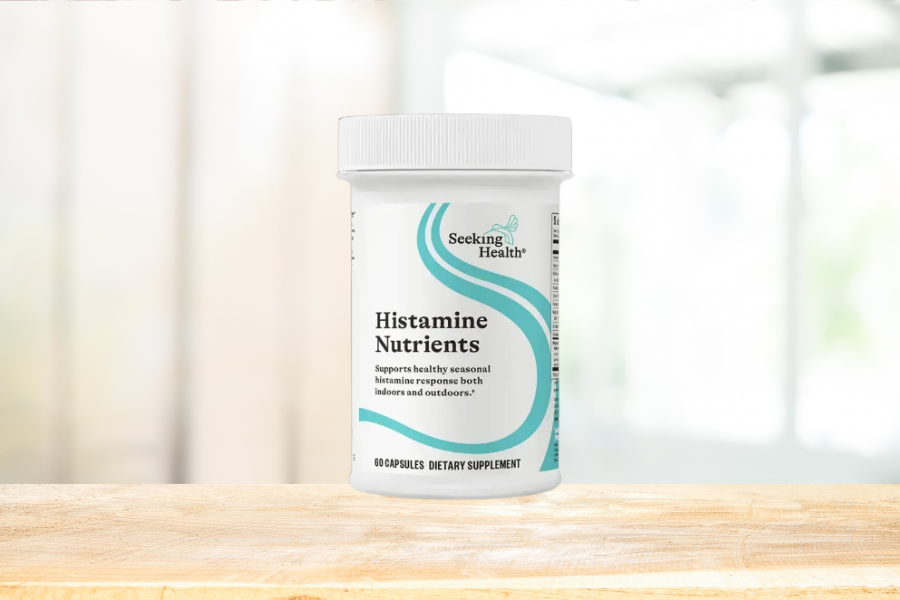
Histamine Nutrients
Histamine Nutrients cleans your histamine genes. It contains a synergistic collection of nutrients that support total body histamine breakdown.* Get the nutrients you need to support a healthy seasonal histamine response with Histamine Nutrients! Histamine Nutrients by Seeking Health provides the nutrients needed to support healthy histamine breakdown, including DAOgest™, zinc, riboflavin, copper, and SAMe, to experience healthy histamine levels.*
I trust this product and you can get it through my online store. CLICK HERE.
Why Leftovers Can Be a Clue
One of the oddest clues in histamine intolerance is the leftover reaction.
Histamine can rise in foods as they age, especially protein-rich foods. That means freshly cooked chicken may be tolerated, while the same chicken two days later may cause symptoms.
This is not always food poisoning. It can be histamine load.
People may notice issues with:
- Leftover meats
- Canned fish
- Smoked fish
- Aged cheese
- Wine
- Beer
- Vinegar
- Fermented vegetables
- Kombucha
- Soy sauce
- Processed meats
- Bone broth simmered for long periods
Again, these foods are not “bad” for everyone. They may simply be wrong for a person whose histamine bucket is overflowing.
Testing Options
Histamine intolerance does not always show up on one simple test. That is part of why it gets missed.
Testing may include a mix of history, symptom tracking, diet response, and lab work. I may look at:
- Food and symptom patterns
- Gut testing
- Nutrient markers
- Inflammation markers
- Mold or toxin clues when history fits
- Hormone patterns
- Methylation-related markers
- DAO or histamine markers when useful
- Genetics
A short-term low-histamine trial may also be helpful. This is not meant to become a forever diet. It is a clue-gathering tool.
If symptoms improve during a structured trial and return with high-histamine foods, that gives useful information. But the next step should be asking why the person became histamine-sensitive in the first place.
Holistic Histamine Support
Holistic histamine support is not about fearing food. It is about lowering the burden while the body regains better tolerance.
Support may include:
- Choosing fresh foods for a period of time
- Freezing leftovers quickly instead of keeping them in the fridge
- Reducing high-histamine foods temporarily
- Supporting gut repair
- Reviewing medications and alcohol intake with a qualified clinician
- Addressing stress chemistry
- Checking nutrient needs
- Improving sleep
- Looking for mold, gut, or hormone triggers when appropriate
The goal is not perfection. The goal is pattern recognition.
I often look at the full story: symptoms, timing, food history, gut health, stress, sleep, hormones, and environmental exposures. Histamine intolerance rarely walks into the room alone. It usually brings friends.
When to Talk With Me, Dr. Mack
Consider reaching out if your symptoms feel like a moving target. Especially if you have:
- Food reaction mystery symptoms
- Allergy-like symptoms with negative allergy testing
- Flushing, itching, headaches, and gut symptoms together
- Reactions to wine, vinegar, fermented foods, or leftovers
- Symptoms that flare with stress or hormone shifts
- A history of gut infections, antibiotics, mold exposure, or chronic digestive issues
Histamine intolerance can be frustrating, but it is not random. Your body is leaving clues.
My job is to investigate those clues, connect the patterns, and help you find the next step.
Not sure if Holistic Medicine is right for you? Schedule a FREE 15-minute discovery call to see if it’s a good fit. 248-274-6516.
FAQs About Histamine Intolerance
What are common histamine intolerance symptoms?
Common histamine intolerance symptoms may include flushing, itching, hives, headaches, congestion, bloating, loose stools, heart racing, anxiety, fatigue, and poor sleep. The clue is that symptoms often fluctuate and may stack over several days.
What are DAO deficiency clues?
DAO deficiency clues may include reactions to wine, vinegar, aged cheese, fermented foods, smoked meats, canned fish, and leftovers. Some people also notice more symptoms when gut health is flaring.
Can holistic histamine support help?
Holistic histamine support may help by lowering histamine load, supporting gut health, checking nutrient status, calming stress chemistry, and looking for hidden triggers such as mold, hormone shifts, or gut imbalance.
Why do I have food reaction mystery symptoms?
Food reaction mystery symptoms can happen when histamine builds up over time. The reaction may not be from one food alone. It may be the total load from food, stress, poor sleep, hormones, gut irritation, and environmental triggers.
Is histamine intolerance the same as allergies?
No. Histamine intolerance can mimic allergies, but it is often more dose-related and pattern-based. Allergy testing may look normal even when histamine reactions are still happening.
If you have more questions, schedule a FREE 15-minute discovery call with me, Dr. Mack
248-274-6516.
*Any product is not recommended to treat, diagnose, cure, or prevent any disease.


 Dr. Janelle Mackowiak(http://cherryblossomnaturalwellness.com)