
Summer is supposed to be the season of energy, sunshine, vacations, and outdoor adventures. Yet every year, I see patients who tell me they actually feel worse once the temperatures climb. They experience headaches that seem to come out of nowhere. They become dizzy after being outside for only a short time. Their fatigue deepens instead of improving. Brain fog settles in. Even mild exercise suddenly feels overwhelming.
Most people assume the answer is simple.
“I’m just dehydrated.”
Sometimes that’s true. But from a functional medicine perspective, dehydration is often just the beginning of the story.
Let’s investigate what your summer symptoms may be trying to tell you. Instead of asking only what symptom you’re experiencing, I ask why your body is responding that way in the first place. Heat often acts like a stress test. It doesn’t usually create new problems. Instead, it exposes weaknesses that were already there.
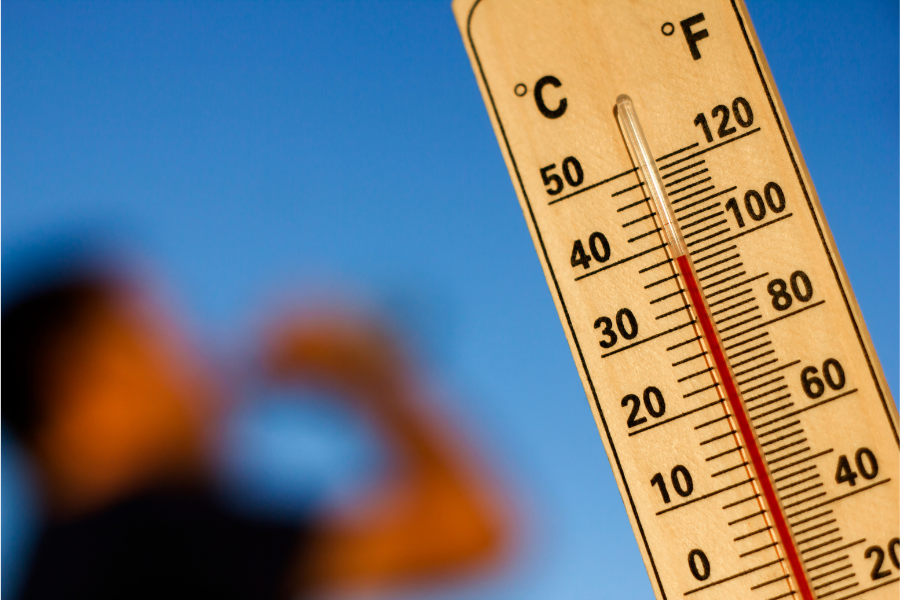
Why Heat Places Extra Stress on the Body
Your body works remarkably hard to keep your internal temperature within a narrow range.
When outdoor temperatures rise, your body begins cooling itself through several mechanisms:
- Sweating
- Increased blood flow to the skin
- Faster heart rate
- Changes in circulation
- Increased fluid loss
These adjustments require energy, minerals, hormones, and healthy cardiovascular function.
If any of these systems are already struggling, hot weather magnifies the problem.
This is why some people tolerate 90-degree temperatures with ease while others feel completely drained after spending fifteen minutes outdoors.
Heat simply reveals how much reserve your body has.
Heat Intolerance Symptoms Are Clues, Not Random Events
Many people dismiss their symptoms because they only occur during the summer.
“I just don’t do well in the heat.”
That statement is worth investigating.
Common heat intolerance symptoms include:
- Excessive fatigue
- Dizziness
- Headaches
- Brain fog
- Nausea
- Rapid heartbeat
- Muscle cramps
- Feeling faint
- Difficulty recovering after exercise
Rather than viewing these as isolated problems, I look for patterns.
When do they occur?
How quickly do they improve?
What else is happening with digestion, sleep, hormones, or blood sugar?
Every symptom tells part of the story.

Hydration Is More Than Drinking Water
One of the biggest misconceptions about hydration is believing it’s simply about consuming more fluids.
Your cells don’t just need water.
They also require the right balance of minerals to move water where it’s needed.
This includes:
- Sodium
- Potassium
- Magnesium
- Calcium
Without these minerals, you may drink plenty of water and still struggle with dehydration at the cellular level.
This is one reason people sometimes feel worse after consuming large amounts of plain water during hot weather.
Their mineral balance becomes diluted even further.

Hydration Imbalance Clues Your Body May Be Giving You
Functional medicine focuses on identifying hydration imbalance clues before they become bigger problems.
Some signs include:
- Constant thirst
- Dark urine
- Frequent headaches
- Muscle cramping
- Afternoon fatigue
- Dry mouth
- Salt cravings
- Feeling lightheaded when standing
- Poor exercise recovery
These symptoms often indicate that your hydration strategy needs more than another bottle of water.
They suggest it’s time to evaluate the bigger picture.
The Mineral Rhythm Most People Never Consider
Hydration is not a one-time event.
It is a continuous rhythm that changes throughout the day.
Every time you sweat, urinate, exercise, or consume caffeine, your body adjusts its fluid and mineral balance.
During summer, these shifts happen much faster.
If you’re already starting the day slightly dehydrated, spending several hours outside can quickly overwhelm your body’s ability to compensate.
Many patients unknowingly begin each morning behind because of:
- Poor sleep
- Overnight fluid loss
- High caffeine intake
- Low mineral intake
- Certain medications
- Chronic stress
By the afternoon, even small additional stressors can produce significant symptoms.
Summer Fatigue Causes Go Beyond the Heat
When patients tell me they feel exhausted every summer, I rarely blame the weather alone.
Many underlying issues contribute to summer fatigue, including:
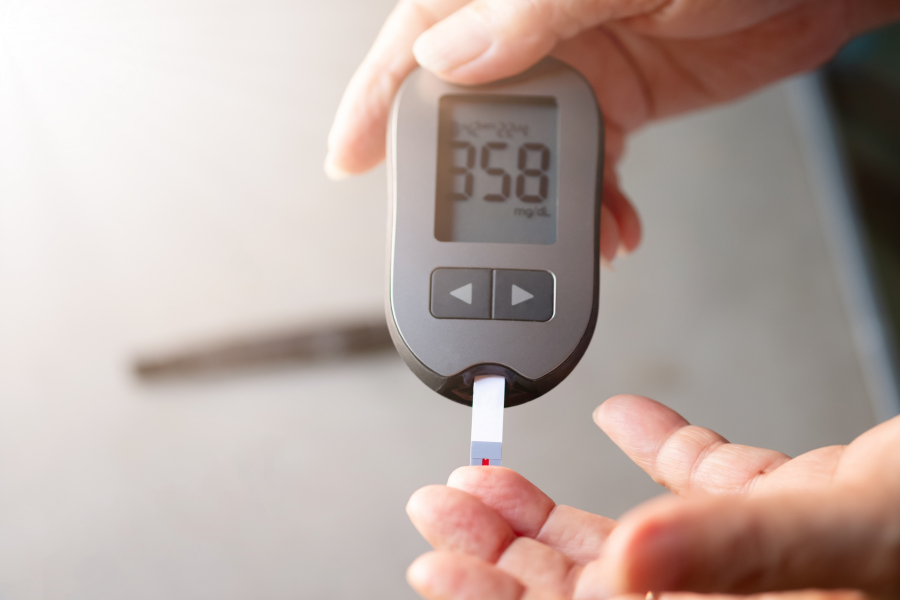
Blood Sugar Instability
Heat increases energy demands.
If blood sugar regulation is already inconsistent, the extra stress can trigger:
- Irritability
- Weakness
- Shakiness
- Brain fog
Many people skip meals during hot weather because they aren’t hungry.
Unfortunately, this often worsens blood sugar swings.
Adrenal Stress
Your stress response helps regulate blood pressure, fluid balance, and energy production.
When these systems become overworked, even modest heat exposure may feel exhausting.
Thyroid Function
Individuals with sluggish thyroid function frequently report poor heat tolerance.
While thyroid disorders are often associated with cold intolerance, optimal temperature regulation depends on healthy metabolic function year-round.
Chronic Inflammation
Inflammation already places extra demands on the body.
Adding heat increases that burden even further.
Inflammation can influence how resilient your body feels, especially during periods of heat and physical stress. For patients looking to support a healthy inflammatory response, I often recommend CurcuMax Pro. This advanced formula combines highly bioavailable curcumin, boswellia, and quercetin to provide relief from occasional pain and stiffness associated with overuse while supporting the body’s natural inflammatory response.*
I trust this product, and you can get it through my online store. CLICK HERE.

*Any product recommendation is not intended to diagnose, treat, cure, or prevent any disease.
The Blood Sugar and Heat Connection
One hidden relationship I frequently investigate is blood sugar regulation.
When blood sugar drops, symptoms often resemble dehydration:
- Sweating
- Dizziness
- Weakness
- Shakiness
- Headaches
- Confusion
Now, combine fluctuating blood sugar with summer heat.
The result can feel overwhelming.
Many people assume they simply need more water when, in reality, they may also need balanced nutrition.
A breakfast containing quality protein, healthy fats, and fiber provides much steadier energy than sugary coffee drinks or pastries.
Likewise, eating consistent meals throughout the day helps your body adapt to heat more effectively.
Why Electrolytes Matter
Electrolytes have become a popular wellness topic, but not everyone understands why they matter.
Electrolytes help regulate:
- Nerve function
- Muscle contractions
- Blood pressure
- Fluid balance
- Cellular communication
When we lose these minerals through sweat, replacing water alone may not restore proper balance.
That’s where holistic electrolyte support becomes important.
From a functional medicine perspective, I encourage patients to focus on whole-food sources whenever appropriate.
Examples include:
- Leafy greens
- Avocados
- Coconut water without added sugar
- Mineral-rich vegetables
- Bone broth
- Pumpkin seeds
- Nuts
For some individuals, additional electrolyte supplementation may also be beneficial depending on activity level, health conditions, medications, and laboratory findings.
The goal isn’t simply replacing what was lost.
It supports the body’s ability to maintain healthy balance over time.
Jigsaw Electrolyte Supreme™
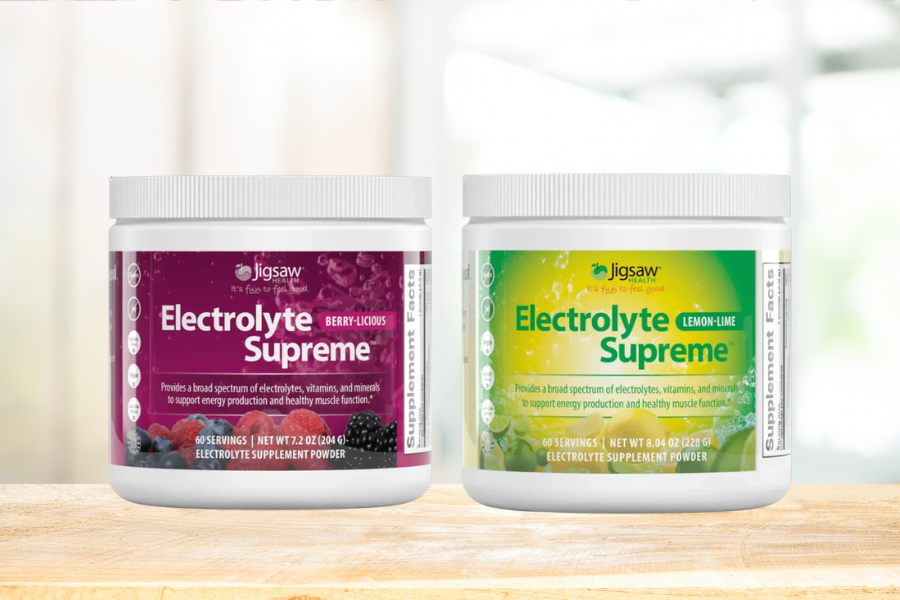
There are a lot of electrolyte supplements and drink mixes out there. Many of them include sugars and other fillers that are not necessary for hydration. One that I really like is Jigsaw Electrolyte Supreme™ to help replenish the electrolytes, minerals, and active B vitamins your body loses through heat, exercise, and everyday life. Unlike plain water alone, a balanced electrolyte formula supports healthy hydration at the cellular level while helping maintain muscle function, nerve signaling, and steady energy. It’s a simple way to support your body’s natural hydration process, especially during the hot summer months.*
I trust this product, and you can get it through my online store. CLICK HERE.
*Any product recommendation is not intended to diagnose, treat, cure, or prevent any disease.
Heat Can Reveal Cardiovascular Patterns
Hot weather naturally lowers blood pressure because blood vessels expand to release heat.
For individuals who already have low blood pressure or circulation challenges, this may lead to:
- Feeling faint
- Blurred vision
- Rapid heartbeat
- Weakness
- Difficulty standing
Again, heat isn’t necessarily creating the problem.
It’s exposing an underlying pattern that deserves attention.
Digestive Health Influences Hydration
Many people don’t realize that healthy digestion affects hydration.
If your digestive system isn’t absorbing nutrients efficiently, replacing fluids becomes more difficult.
Conditions affecting digestion may interfere with the absorption of:
- Magnesium
- Sodium
- Potassium
- Other essential nutrients
This is one reason functional medicine always looks beyond individual symptoms.
Everything in the body is connected.
Sleep Plays a Bigger Role Than You Think
Summer often disrupts healthy sleep.
Longer daylight hours, vacations, travel, and warmer bedrooms reduce sleep quality.
Poor sleep contributes to:
- Hormonal imbalance
- Higher stress hormones
- Blood sugar instability
- Increased inflammation
- Greater fatigue
After several nights of inadequate sleep, even moderate heat exposure can feel dramatically worse.
Hidden Patterns Dr. Mack Looks For
When patients arrive complaining about summer symptoms, I’m not only interested in today’s headache or dizziness.
I’m looking for recurring patterns.
Questions I often ask include:
- Do symptoms improve after eating?
- Are you craving salt?
- Do you feel worse after exercise?
- Are mornings better than afternoons?
- How is your sleep quality?
- Have you experienced recent stress?
- Are digestive symptoms present?
- Do symptoms occur every summer?
Each answer helps narrow the investigation.
Instead of chasing symptoms, we’re searching for the root cause.
That’s where meaningful healing begins.
Small Daily Habits That Support Summer Wellness
Although every person is unique, several habits support healthy adaptation to summer temperatures.
- Start your day hydrated rather than trying to catch up later.
- Eat balanced meals that stabilize blood sugar.
- Include mineral-rich whole foods throughout the day.
- Avoid relying exclusively on sugary beverages for hydration.
- Pay attention to early signs of fatigue instead of pushing through them.
- Prioritize restorative sleep.
- Listen when your body gives subtle warning signs rather than waiting until symptoms become severe.
The Bigger Picture
Your body is constantly communicating.
Symptoms are not failures.
They’re messages.
Summer simply amplifies conversations that may have been happening quietly all year long.
Headaches, dizziness, fatigue, muscle cramps, or heat intolerance may seem unrelated, but they often point toward deeper imbalances involving hydration, nutrition, hormones, inflammation, blood sugar, or mineral status.
Rather than masking symptoms, functional medicine asks a different question.
Why is your body struggling to adapt?
When we investigate that question, we often uncover opportunities to improve health that extend far beyond the summer months.
If you find yourself dreading hot weather every year, don’t assume it’s something you simply have to live with. Your symptoms may be offering valuable clues, and understanding those clues could be the first step toward lasting wellness.
Not sure if holistic medicine is right for you? Schedule a FREE 15-minute discovery call with Dr. Mack to see if it’s a good fit. Call 248-274-6516.
Frequently Asked Questions
What are the most common heat intolerance symptoms?
Common heat intolerance symptoms include dizziness, headaches, excessive sweating, muscle cramps, rapid heartbeat, fatigue, nausea, and brain fog. If these symptoms occur repeatedly, it’s worth investigating the underlying cause rather than assuming they’re simply due to hot weather.
What are some overlooked summer fatigue causes?
Summer fatigue causes can include dehydration, blood sugar instability, poor sleep, mineral deficiencies, thyroid dysfunction, chronic inflammation, and adrenal stress. Heat often magnifies these existing imbalances.
What are common hydration imbalance clues?
Hydration imbalance clues include persistent thirst, frequent headaches, muscle cramps, dark urine, fatigue, dizziness when standing, poor exercise recovery, and salt cravings. These signs may indicate your body needs better fluid and mineral support.
What is holistic electrolyte support?
Holistic electrolyte support focuses on maintaining healthy mineral balance through nutrient-dense foods, proper hydration habits, and individualized supplementation when appropriate. The goal is to support the body’s natural ability to regulate fluids, nerve function, muscle health, and energy production.


 Dr. Janelle Mackowiak(http://cherryblossomnaturalwellness.com)